Is Breast Cancer More Likely After Menopause - Breast Cancer Common In Menopause Breast Cancer Artificial Night Light Increases Risk By 10 Per Cent The Menopause Tends To Occur Around The Same Time That Breast Cancer Becomes More - Again, this is called medical menopause if it's caused by medicines such as chemotherapy, or surgical menopause if it's caused by removal of the ovaries.. Can i lower my risk of getting a second cancer? Breast cancer is not a disease of having too much estrogen in your body. Women who go through menopause later in life have an increased risk of breast cancer compared to women who go through menopause earlier. Maintaining a healthy weight may help reduce breast cancer risk. Many women have menopause symptoms such as hot flashes after treatment for breast cancer.
Factors that influence height, like bone growth, may also influence breast cancer. Let your doctor know about any new symptoms or problems, because they could be caused by the breast cancer coming back or by a new disease or second cancer. Your risk of breast cancer doesn't change once you reach menopause, however. A woman diagnosed with breast cancer before age 50, for example, or a healthy woman with several close family members who have had breast or ovarian cancer, is more likely to be referred for genetic testing than a postmenopausal woman with breast cancer and no other risk factors. Breast density is a measure that compares the amount of fatty tissue to the amount of breast tissue on a mammogram.
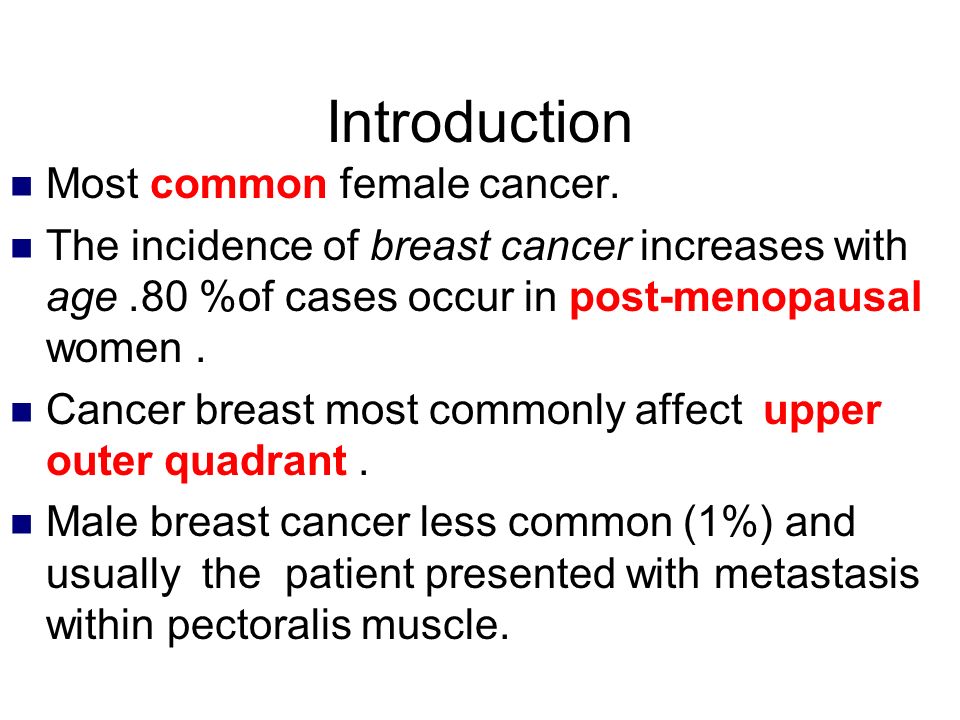
Breast Cancer Dr Gehan Mohamed Introduction Most Common Female Cancer The Incidence Of Breast Cancer Increases With Age 80 Of Cases Occur In Post Menopausal Ppt Download from images.slideplayer.com During a woman's menstrual cycle, estrogen stimulates the uterus and breast tissue. That's probably because she's been exposed to more estrogen. This medication blocks the action of estrogen in the body and sometimes causes menopause symptoms. Breast cancer is not a disease of having too much estrogen in your body. A pooled analysis of data from 117 studies looked at the age at menopause and breast cancer risk. Women of menopausal age are at an increased risk for breast cancer. However, the rates of many cancers, including breast cancer, do increase with age. Hot flash intensity is also inversely related to risk.
For both men and women, the risk increases as more weight is gained.
Factors that influence height, like bone growth, may also influence breast cancer. The risk is greater if a woman also began menstruating before age 12. Cysts, fibrocystic changes, and other benign breast conditions can happen at any age, but are more likely to occur before menopause than after menopause. Breast cancer is not a disease of having too much estrogen in your body. The menopause and breast cancer. Women of menopausal age are at an increased risk for breast cancer. In addition to pain, you're likely to. In fact, breast cancer is much more common in postmenopausal women, and the risk of cancer increases with age. Women who start menopause after age 55 years are more likely to develop breast cancer. Breast density is a measure that compares the amount of fatty tissue to the amount of breast tissue on a mammogram. This means the cancer cells grow in response to estrogen. For both men and women, the risk increases as more weight is gained. Women who are overweight after their menopause have a higher risk of breast cancer than women who are not overweight.
The menopause and breast cancer. Can i lower my risk of getting a second cancer? Menopause does not cause cancer, but the risk of developing cancer increases as a woman ages. In other words, the tissue becomes less dense, more fatty, and starts to sag. Hot flash intensity is also inversely related to risk.
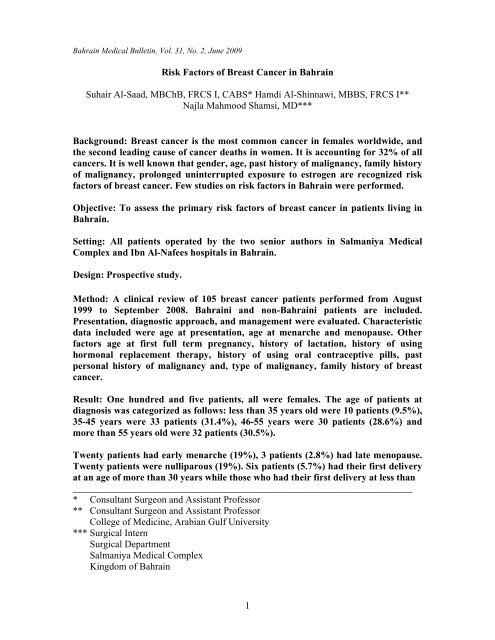
Breast Cancer Common In Menopause Breast Cancer Artificial Night Light Increases Risk By 10 Per Cent The Menopause Tends To Occur Around The Same Time That Breast Cancer Becomes More from img.yumpu.com Women who are overweight after their menopause have a higher risk of breast cancer than women who are not overweight. All of these involuntary actions tend to change the breast size and shape. Studies show that women who are overweight or obese after menopause have a 20 to 60 percent higher breast cancer risk than those who are lean. So the more menstrual periods a woman has, the longer these tissues are exposed to estrogen. Learn more about breast density. And yet women continue to fear breast cancer more than the statistics warrant. Factors that influence height, like bone growth, may also influence breast cancer. Your risk of breast cancer doesn't change once you reach menopause, however.
This medication blocks the action of estrogen in the body and sometimes causes menopause symptoms.
Women who are overweight after their menopause have a higher risk of breast cancer than women who are not overweight. Breast cancer is not a disease of having too much estrogen in your body. Many women have menopause symptoms such as hot flashes after treatment for breast cancer. However, the rates of many cancers, including breast cancer, do increase with age. Your risk of breast cancer doesn't change once you reach menopause, however. After menopause, people who are overweight are more likely to develop breast cancer. During a woman's menstrual cycle, estrogen stimulates the uterus and breast tissue. Women who go through menopause later in life have an increased risk of breast cancer compared to women who go through menopause earlier. Learn more about breast density. Breast cancer treatments such as chemotherapy, hormone. Women who have never become pregnant or carried a pregnancy to full term are more. This can happen naturally as women get older, but it can also be caused by breast cancer treatment. For both men and women, the risk increases as more weight is gained.
Cysts, fibrocystic changes, and other benign breast conditions can happen at any age, but are more likely to occur before menopause than after menopause. But the relationship between breast density and tumor type is less well understood. Women who have never become pregnant or carried a pregnancy to full term are more. A longer exposure to estrogen increases a woman's risk of breast cancers. In fact, breast cancer is much more common in postmenopausal women, and the risk of cancer increases with age.
Breast Cancer Common In Menopause Breast Cancer Artificial Night Light Increases Risk By 10 Per Cent The Menopause Tends To Occur Around The Same Time That Breast Cancer Becomes More from i2.wp.com But the relationship between breast density and tumor type is less well understood. Increased exposure to hormones, such as estrogen increased number of ovulations ovulation occurs when the ovary releases eggs. This means the cancer cells grow in response to estrogen. Learn more about breast density. Women who go through menopause later in life have an increased risk of breast cancer compared to women who go through menopause earlier. In addition to pain, you're likely to. In fact, breast cancer is much more common in postmenopausal women, and the risk of cancer increases with age. Again, this is called medical menopause if it's caused by medicines such as chemotherapy, or surgical menopause if it's caused by removal of the ovaries.
But the relationship between breast density and tumor type is less well understood.
Many women have menopause symptoms such as hot flashes after treatment for breast cancer. Symptoms are often more intense than when the menopause occurs naturally. Though menopause itself does not cause breast cancer, the chance of developing breast cancer increases the older you get. Some breast cancer treatments can bring on menopause more abruptly than it would happen otherwise. The menopause and breast cancer. A woman diagnosed with breast cancer before age 50, for example, or a healthy woman with several close family members who have had breast or ovarian cancer, is more likely to be referred for genetic testing than a postmenopausal woman with breast cancer and no other risk factors. Women who go through menopause later in life have an increased risk of breast cancer compared to women who go through menopause earlier. A pooled analysis of data from 117 studies looked at the age at menopause and breast cancer risk. But the relationship between breast density and tumor type is less well understood. The risk is greater if a woman also began menstruating before age 12. Menopause does not cause cancer, but the risk of developing cancer increases as a woman ages. Hot flash intensity is also inversely related to risk. In addition, some of the drugs.